
K2 Base Camp via Concordia
Overview
The K2 Base Camp trek is a 21-day walk up the Baltoro Glacier from Askole to Concordia and the foot of K2, reaching about 5,150 m. It runs June to September, takes a maximum of ten guests with two certified guides, and is graded hard: thirteen to fourteen days of walking, most of it on moraine and glacier ice.
What the trek actually involves
You fly or drive to Skardu, then take a 4×4 up the Braldu gorge to Askole, the last village on the road and the start of every Baltoro expedition. From there it is on foot: the Biafo snout, Jhola, Paiju where the last trees are, and then onto the Baltoro Glacier itself, which you do not leave again for a week.
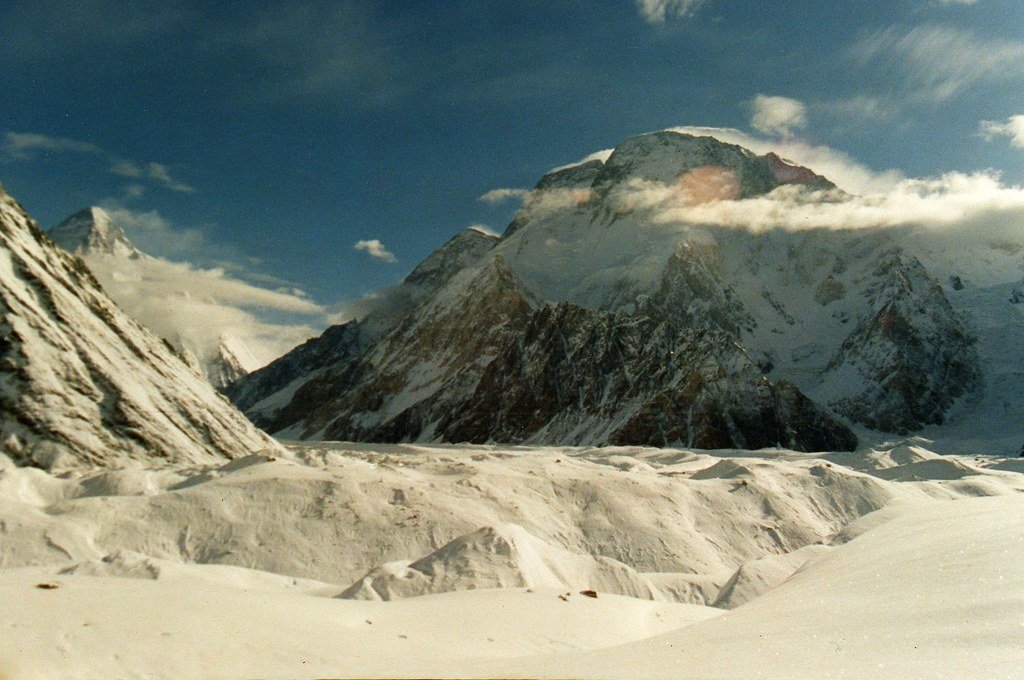
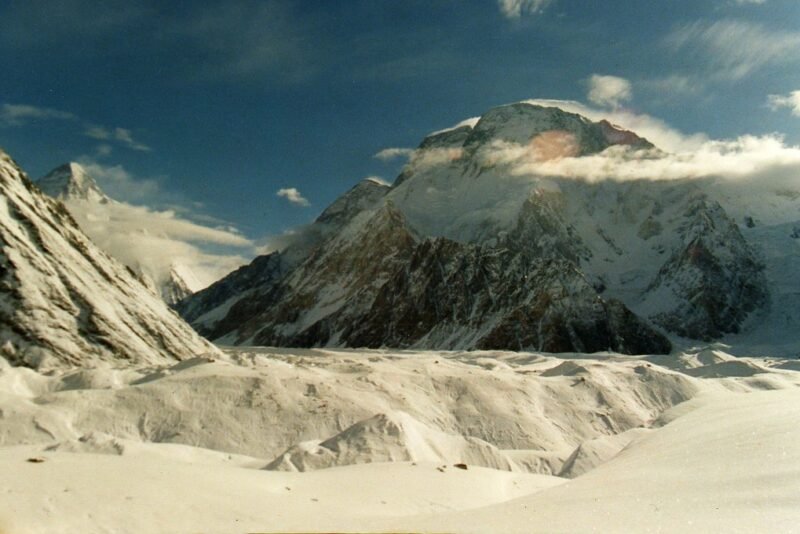
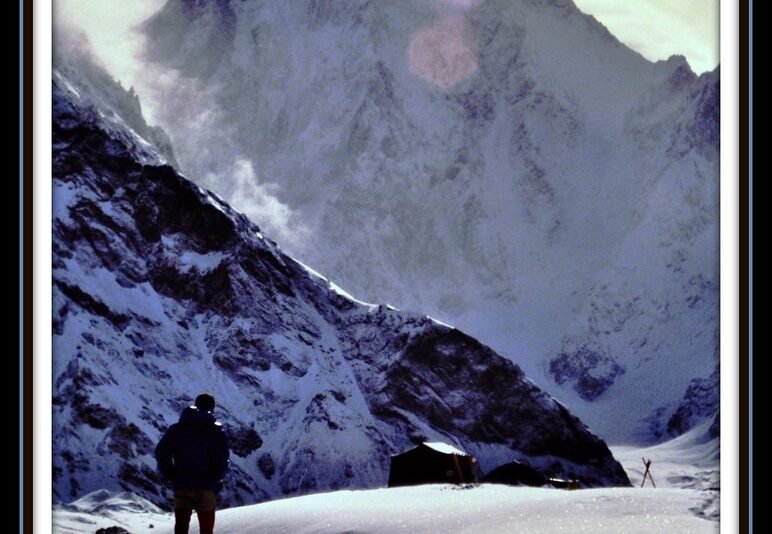
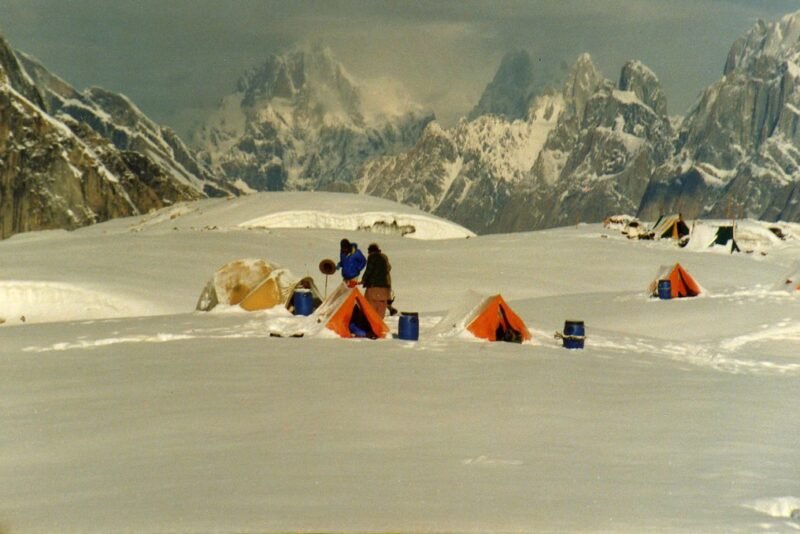
The glacier is the trek. It is not a path — it is rubble on ice, with meltwater channels, loose moraine and sections where the route changes between seasons. Urdukas is the one meadow, a grass ledge above the ice with the Trango Towers and Cathedral Spires opposite. Above it the valley opens at Concordia, the confluence of the Baltoro and Godwin-Austen glaciers, where K2, Broad Peak, Gasherbrum I and Gasherbrum II stand within sight of one tent door.
Base camp itself sits at roughly 5,150 m on the Godwin-Austen, a long day up and back from Concordia. We reach it and return the same day so you sleep lower than you stood, which is the acclimatisation principle this whole itinerary is built on.
How hard is the K2 Base Camp trek?
Hard, and harder than its altitude suggests. Nothing on the standard route is technical — no rope, no crampons on the out-and-back — but you will walk six to eight hours a day for a fortnight on ground that never gives you an easy footfall, at altitude, in cold that bites at night even in July.
The people who struggle are rarely unfit. They are people who have never walked consecutive long days before, or who have never been above 4,000 m and did not say so. Both are solvable if you tell us at booking.
When does it run?
June to September, with July and August the most reliable. Earlier and the Braldu river crossings and the upper glacier hold more snow; later and the nights at Concordia get seriously cold. The Islamabad–Skardu flight is weather-dependent at any time of year, which is why there is a buffer day at each end of this itinerary rather than a hopeful connection.
Permits, and who has to arrange them
The Baltoro sits inside Central Karakoram National Park and the trek needs a permit, park fees and — for foreign nationals — a trekking visa arranged through a designated operator. We file all of it. Your sponsor letter goes in within 48 hours of your deposit because the visa itself takes roughly four weeks, and that lead time is the single commonest reason a Pakistan trip falls over.
What is inside the price
Everything from the moment you land. Permits and park fees, all ground transport on our own vehicles, the full camp with cook and mess tent, a porter crew under our published charter with loads weighed in front of you, a satellite phone with the group, and a written evacuation plan naming the drive-out option for every camp on the glacier. Insurance covering helicopter evacuation is mandatory and we verify it before departure rather than assume it.
Why this trek with us
Our guides are on our payroll year round and our 4x4s carry you to Askole on our own plates. Nothing on this trek is subcontracted, which matters most on the one day something goes wrong. The acclimatisation profile, the turn-back criteria, the medical inventory and the porter charter are published on this site and you can read all of them before you pay us anything.
- Duration
- 18 – 21 days
- Trek days
- 13 – 14
- Maximum altitude
- 5,150 m
- Grade
- Hard
- Group size
- Max 10
- Guides
- 2 certified, 1 WFR
- Season
- June – September
- Starts / ends
- Islamabad / Islamabad
- Accommodation
- Hotels + full camp
- Permits
- Handled by us
- Visa
- Trekking visa, approx. 4 weeks
- Concordia, with four 8,000 m peaks in view from the tent door
- The Gilkey Memorial below the Abruzzi spur
- Two buffer days built into the 21-day itinerary
- Porter crew under our published charter, weighed in front of you
Fixed departures
These prices are per person on a fixed departure, and they are the price — we do not discount a published figure. Deposit is 25%; the payment schedule and cancellation terms are published and sent with every quote. For your own dates, see the private pricing below.
Private departures and group pricing
Your party, your dates. The per-person figure falls as the party grows, because the guides, the vehicles and the camp cost the same split more ways. Everything in the inclusions list applies, and the safety standard is the one published above.
| Party size | Price per person | Notes |
|---|---|---|
| 2 | USD 4,650 | A full crew for two people |
| 3 – 4 | USD 3,700 | |
| 5 – 8 | USD 3,050 | Second guide joins at six |
Deposit is 25% of the trip price. The payment schedule and the cancellation terms are published and sent with every quote, before you pay anything.
Day by day
Buffer days are built in, not padding. If the weather takes them, nothing downstream collapses and you are not charged twice.
01 Arrive Islamabad Hotel · 540 m
Met inside the terminal by a member of our team, not a driver holding a sign outside it. Transfer, trip briefing the same evening, local SIM and cash sorted.
02 Islamabad — gear check and buffer Hotel · 540 m
Full kit inspection against the published list, item by item. Anything missing is bought or rented the same day. This day also absorbs a delayed international flight.
03 Fly to Skardu, or drive the Karakoram Highway Hotel · 2,230 m
The flight is under an hour and weather-dependent. If it does not operate we take the road, which is already priced into your quote, and the buffer day keeps the trek start where it is.
04 Skardu — permits, loads and crew briefing Hotel · 2,230 m
You meet the lead guide and the crew. Loads are weighed in front of you against our published porter limits. Final permit paperwork is completed here.
05 Skardu to Askole by 4x4 Camp · 3,050 m
Several hours of rough road on our own vehicles, following the Shigar and Braldu valleys. Askole is the last village and the last roadhead. First night under canvas.
06 Askole to Jhola Camp · 3,180 m
The first full trekking day along the Braldu river and over the Biafo glacier snout. Long, hot and dusty rather than steep.
07 Jhola to Paiju Camp · 3,450 m
The last trees and the last easily running water before the ice. Trango Towers come into view late in the day.
08 Paiju — acclimatisation day Camp · 3,450 m
A scheduled rest day. Hydration and pulse checks, a short walk up to view the Baltoro snout, and the glacier briefing: crampons, poles, spacing and what the guides will be watching for.
09 Paiju to Khoburtse or Urdukas Camp · 4,050 m
Onto the Baltoro itself. Broken ice and moraine, slow going by design. Which camp depends on how the group is moving, and the guide decides on the morning.
10 Urdukas to Goro II Camp · 4,380 m
Trango and Cathedral behind you, Masherbrum ahead. A cold camp on the ice with no running water; the crew melts what the kitchen needs.
11 Goro II to Concordia Camp · 4,600 m
The confluence of the Baltoro and Godwin-Austen glaciers, with K2, Broad Peak and both Gasherbrums in view from the tent door. Our base for the next nights.
12 Concordia to K2 Base Camp and back Camp · 4,600 m
The long day, up the Godwin-Austen to base camp at approximately 5,150 m, past the Gilkey Memorial, and back to Concordia to sleep lower. Eight to eleven hours depending on conditions.
13 Broad Peak base camp, or a rest day Camp · 4,600 m
Decided on the morning from how the group actually looks rather than from what the brochure said. Either is a good day.
14 Glacier buffer day Camp · 4,600 m
Held for weather or a slow recovery. If it is not needed it becomes an extra day at Concordia, which nobody has ever complained about.
15 Concordia to Goro II Camp · 4,380 m
Turning down-glacier. Stages lengthen now that you are acclimatised and the loads are lighter.
16 Goro II to Urdukas Camp · 4,050 m
Grass, running water and the best camp on the route, on terraces above the glacier.
17 Urdukas to Paiju Camp · 3,450 m
Off the ice. Boots and crampons checked and stowed before the walk out.
18 Paiju to Askole Camp · 3,050 m
A long final trekking day back to the roadhead, with our vehicles waiting.
19 Askole to Skardu Hotel · 2,230 m
Hot water and a real bed. Crew settlement is paid at Skardu and you are welcome to watch it happen.
20 Skardu to Islamabad Hotel · 540 m
Flight, or the road if the window has closed. Debrief and kit return in Islamabad the same evening.
21 Departure —
Airport transfer. We call you on day seven after you land, and ask for the review then rather than at the airport.
What is included
- Trekking visa sponsor letter, filed within 48 hours of your deposit
- All trekking permits, park fees and NOCs on the current schedule
- Airport meet inside the terminal, all transfers, SIM and cash assistance
- Islamabad and Skardu hotels on the nights in the itinerary
- Islamabad–Skardu flight, with the road as the priced fallback
- Private 4x4 transfer Skardu–Askole and return, our own vehicles
- Two certified guides, one a wilderness first responder
- Full porter crew under our published charter, insured and equipped
- All camp equipment: tents, mess, kitchen, toilet tent
- Cook and all meals on trek, dietary needs catered
- Graded medical kit, oxygen and a portable altitude chamber
- Satellite phone for the group and a messenger on the lead guide
- Daily message home to a nominated contact
- Two buffer days on the 21-day itinerary
- International flights to and from Islamabad
- Pakistan visa fee itself
- Travel insurance — mandatory, covering helicopter evacuation and repatriation to 5,150 m
- Personal trekking equipment; rental available and priced separately
- Meals in Islamabad and Skardu beyond those listed
- Personal porter, heli transfer, extra acclimatisation days and city extensions
- Tips, which are never expected and never built into the crew's wage
If our price is wrong for you we will move you to a lower tier or remove a named inclusion. We do not discount a published price, and we do not cut the crew.
Fitness and difficulty — read this honestly
Expect six to eight hours of walking on most trek days, on rubble, moraine and glacier ice rather than a graded path. Nights on the glacier are cold even in July. There is no technical climbing and no rope work on the standard out-and-back route, but the ground is relentless and altitude does the rest.
You should be able to walk consecutive days of six hours with a light daypack, comfortably, before you arrive. If you have not slept above 3,500 m before, tell us — it changes nothing about whether we take you, but it changes how we watch you and which itinerary we recommend.
Kit list
The full list with quantities is sent with your quote. Rental is available in Skardu for most of it, priced separately. Your kit is checked item by item in Islamabad, not the night before the trek.
Footwear and sleep
- Stiff-soled trekking boots, broken in
- Camp shoes or trainers
- Gaiters
- Sleeping bag rated to −15 °C or better
- Inflatable mat plus a closed-cell foam mat
Clothing
- Down jacket
- Waterproof shell, jacket and trousers
- Fleece or synthetic mid-layer, two
- Base layers, two sets
- Trekking trousers, two
- Warm hat, sun hat, buff
- Liner gloves and warm gloves
- Trekking socks, five pairs
Equipment and personal
- Daypack, 30 – 35 litres
- Duffel for the porter load, 80 – 90 litres
- Trekking poles
- Headtorch and spare batteries
- Category 4 sunglasses and high-factor sunscreen
- Water bottles or bladder, three litres total
- Personal medication and blister kit
- Power bank; there is no mains power above Askole
Safety, evacuation and insurance
Helicopter rescue in the Karakoram is not guaranteed. Weather, altitude, daylight and clearance all decide whether a helicopter flies, so every stage carries a named drive-out or walk-out plan. Your insurance must cover helicopter evacuation and repatriation to the maximum altitude on your itinerary, and we verify the certificate before the trip starts.
A graded medical kit sized to the trip, oxygen, a portable altitude chamber, a satellite phone and a messenger, and a wilderness first responder in the crew.
The lead guide’s decision to turn back is final. Not a guest, not an agent, not this office — whatever has been paid.
Getting there
Islamabad to Skardu by air
Under an hour, and entirely weather-dependent. Cancellations are routine, which is why a buffer day sits before it in every itinerary.
Islamabad to Skardu by road
The Karakoram Highway, broken over two days. Longer but reliable, already priced into your quote, and taken without renegotiation when the flight does not operate.
Skardu to Askole by 4x4
Several hours of rough road on our own vehicles with our own drivers and spares. Askole is the last roadhead before the Baltoro.
Visa and permits
The mountaineering and trekking visa requires an agreement with a DTS-designated operator and takes roughly four weeks.
Questions people actually ask
How fit do I need to be for the K2 Base Camp trek?
You should be able to walk six to eight hours on consecutive days with a light daypack, on uneven ground, comfortably. The route has no technical climbing, but thirteen or fourteen days of moraine and glacier ice at altitude is relentless. Three months of hill walking with a pack, twice a week, is the realistic minimum preparation.
Do I need previous high-altitude experience?
No, but tell us honestly what you have done. If you have never slept above 3,500 m it does not stop us taking you; it changes how closely the guides monitor you in the first week and whether we recommend the 21-day itinerary over the 18-day one.
How high is K2 Base Camp and do we sleep there?
Base camp sits at approximately 5,150 m and we do not sleep there on the trek. It is reached and left on the same day from Concordia at about 4,600 m, which is both safer and more comfortable.
What happens if the Skardu flight is cancelled?
We drive the Karakoram Highway instead, which is already priced into your quote, and the buffer day before the flight means the trek still starts on schedule. You are not asked for more money when this happens.
What insurance do I need?
A policy covering trekking to 5,150 m, helicopter evacuation and repatriation. We verify the certificate before departure and cannot start the trek without it. Helicopter rescue in the Karakoram is not guaranteed regardless of cover, which is why every stage also has a drive-out or walk-out plan.
When is the best month to trek to K2 Base Camp?
June to September, with July and August the most reliable for glacier conditions and porter availability. Late September can be beautiful and noticeably colder. We do not sell the Baltoro in May or October.
How long does the Pakistan trekking visa take?
Roughly four weeks. It requires an agreement with a DTS-designated operator, which we are, and we file your sponsor letter within 48 hours of your deposit clearing. Start the conversation six months out for a peak-season departure.
What if I have to turn back part-way?
You descend escorted by a guide and a porter, never alone, and the rest of the group continues. The costs of an early departure are stated in your contract before you sign it, so nothing is negotiated while you are unwell.
If this one is not quite right
The commonest reason a trip is wrong is that it is too hard or too easy, not that it is in the wrong place.
- A step easier Nanga Parbat Base Camp and Fairy Meadows
- A step harder Gondogoro La crossing
You have already chosen the region, which is the harder decision. These run from the same roadhead.
- Baltoro & Concordia · Expedition K2 expedition, south-east ridge
- Baltoro & Concordia · Expedition Broad Peak expedition
- Baltoro & Concordia · Expedition Gasherbrum II expedition
If this one is not right
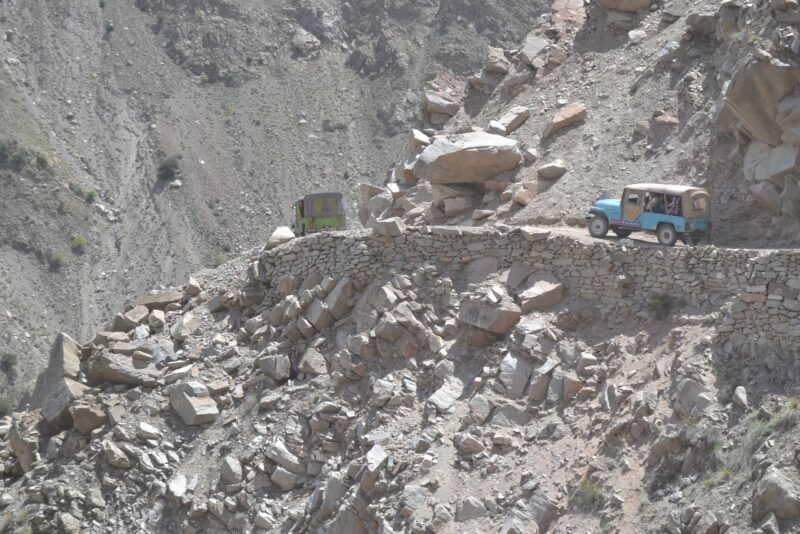 Moderate
Nanga Parbat · Trek
Moderate
Nanga Parbat · Trek
Nanga Parbat Base Camp and Fairy Meadows
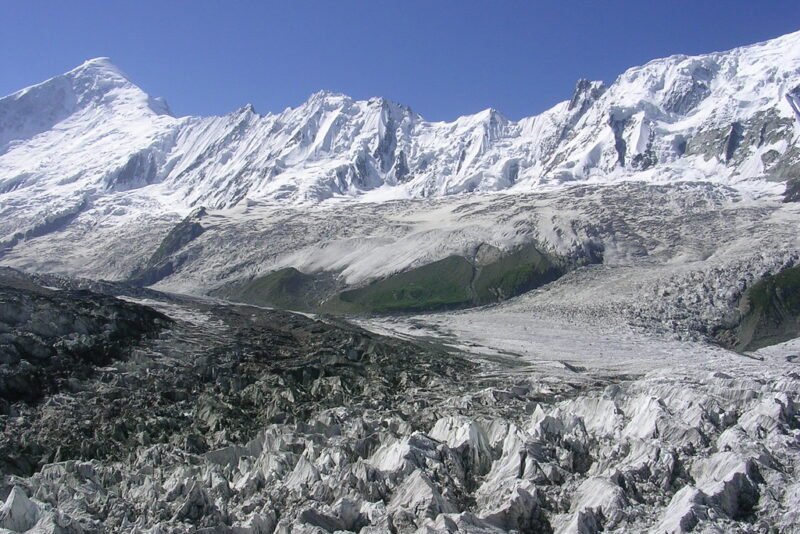 Moderate
Hunza & Gojal · Trek
Moderate
Hunza & Gojal · Trek
Rush Lake and Rakaposhi Base Camp
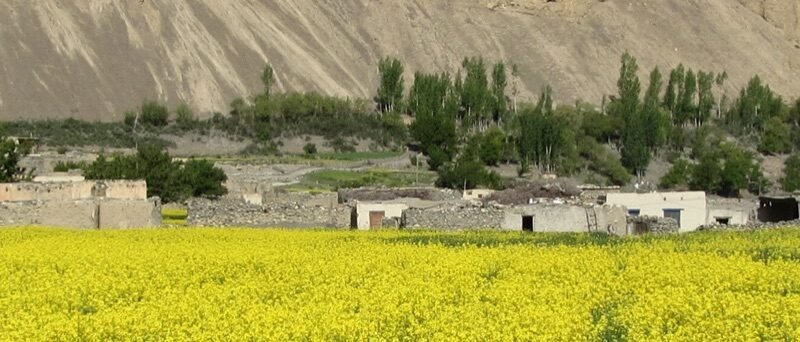 Hard
Shimshal · Trek
Hard
Shimshal · Trek
Shimshal Pass
 Very hard
Baltoro & Concordia · Trek
Very hard
Baltoro & Concordia · Trek