
Shimshal Pass

Overview
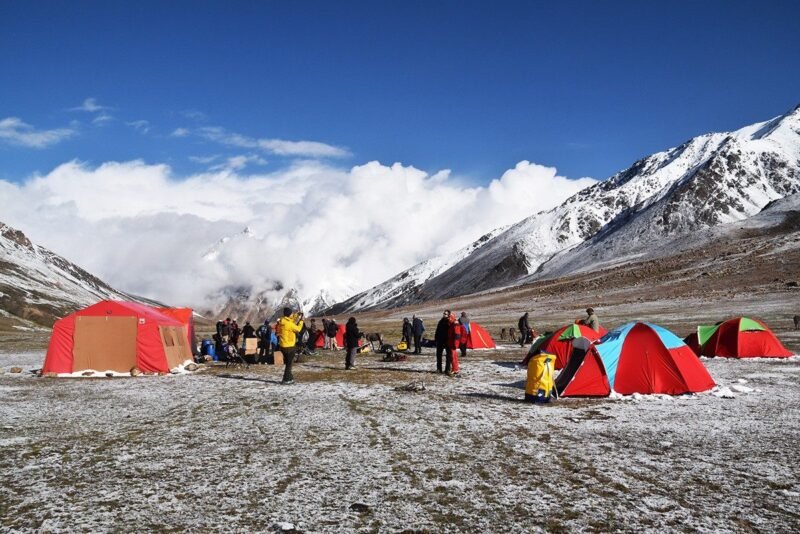
Shimshal Pass is a fourteen-day trek to the Shimshal Pamir — high summer pasture at about 4,700 m, still used by Shimshali families grazing yak and sheep. The valley only got a road this century. Graded hard, running July to September, and remote rather than technical.
A valley at the end of a road that barely exists
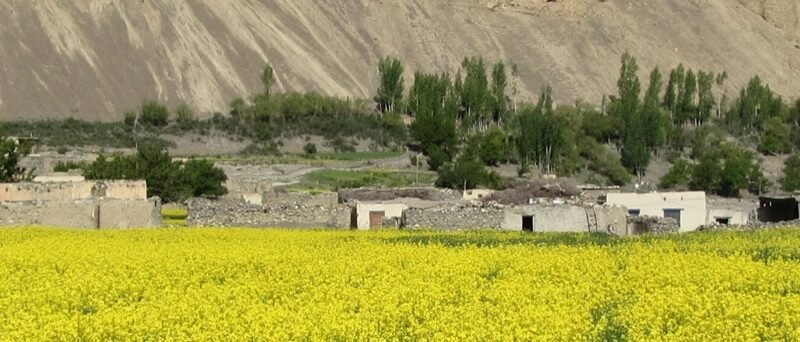
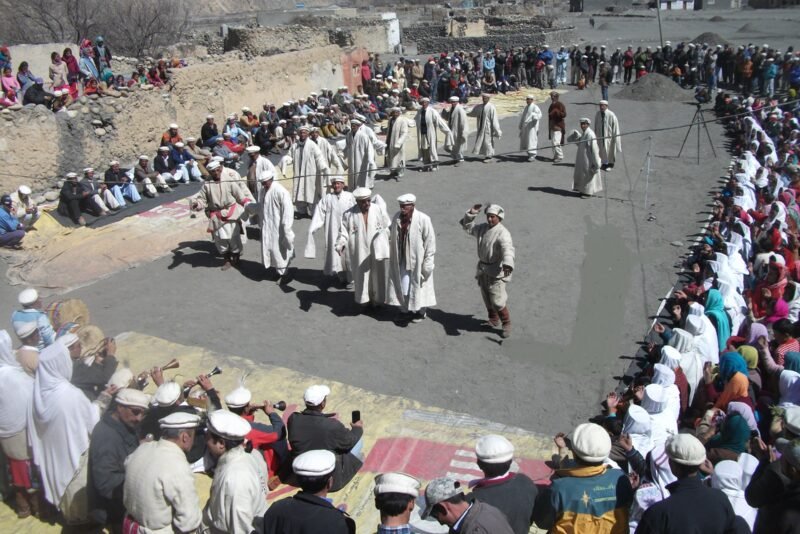
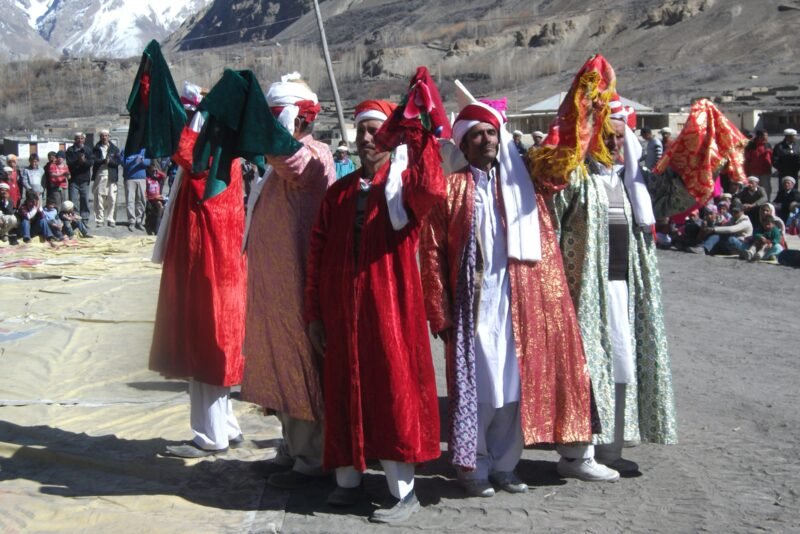
Shimshal sits at 3,100 m in upper Gojal, reached by a long narrow road the villagers largely built themselves. It is the highest permanently settled valley in the region and the home of a remarkable number of Pakistan’s best-known high-altitude climbers. You walk from the village, not from a trailhead a jeep dropped you at.
The route climbs through Zardgarbin and Wuch Furzeen to Shuwerth on the Pamir, where in season the families are up with the herds. This is somebody’s workplace in summer, not a wilderness, and the difference is most of what makes the trek worth doing.
How hard is it?
Six to eight hours a day with real height gain, on paths that are good by Karakoram standards and poor by most others. No rope, no crampons, no technical ground on the standard route. The difficulty is distance, altitude and isolation.
River crossings depend on the melt and the time of day, which is why we cross early. Sometimes that means an earlier start than you wanted and the guide will not negotiate about it.
How remote is it really?
Beyond the village there is no signal and no quick exit. We carry a satellite phone with the group and a messenger with the lead guide, send a message home every evening, and the evacuation plan names the drive-out for every camp. That plan assumes no helicopter, because in this valley you should.
When it runs
Broadly the summer pasture season, July to September. Earlier and the pass holds snow; later and the families have brought the herds down, which takes the heart out of the trip.
What is inside the price
Permits, all transport on our own vehicles including the Shimshal road, guesthouse nights in the village, full camp above it, a Shimshali crew in their own valley under our published charter, guides on our payroll, satellite comms, and the evacuation plan. The crew on this trek are from the houses you walk past on the way out of the village, and they are paid our published rate.
- Duration
- 15 days
- Maximum altitude
- 4,735 m
- Grade
- Hard
- Group size
- Max 10
- Guides
- 2 certified, 1 WFR
- Season
- July – September
- Starts / ends
- Islamabad / Islamabad
- Shimshal Pamir, the summer pasture above the last village on the road
- A fortnight beyond the end of the road, with no resupply and no short way out
- Yak herders working the pastures, which is the reason the path exists at all
- Steep, exposed ground that asks for a head for heights as much as for fitness
- A village-run porter crew from Shimshal, on our published charter
Fixed departures
These prices are per person on a fixed departure, and they are the price — we do not discount a published figure. Deposit is 25%; the payment schedule and cancellation terms are published and sent with every quote. For your own dates, see the private pricing below.
Private departures and group pricing
Your party, your dates. The per-person figure falls as the party grows, because the guides, the vehicles and the camp cost the same split more ways. Everything in the inclusions list applies, and the safety standard is the one published above.
| Party size | Price per person | Notes |
|---|---|---|
| 2 | USD 3,750 | A full crew for two people |
| 3 – 4 | USD 3,150 | |
| 5 – 8 | USD 2,600 | Second guide joins at six |
Deposit is 25% of the trip price. The payment schedule and the cancellation terms are published and sent with every quote, before you pay anything.
Day by day
Buffer days are built in, not padding. If the weather takes them, nothing downstream collapses and you are not charged twice.
01 Arrive Islamabad Hotel · 540 m
Met inside the terminal. Transfer, briefing the same evening, SIM and cash.
02 Fly to Gilgit Hotel · 1,500 m
Thirty-five minutes by air when the weather allows.
03 Gilgit to Karimabad Hotel · 2,400 m
Two to three hours, and the forts in the afternoon.
04 Karimabad to Shimshal Guesthouse · 3,100 m
Four to five hours up the Shimshal gorge road.
05 Shimshal to Furzeen Camp · 3,365 m
Fifteen kilometres, seven to nine hours.
06 Furzeen to Shuijerab Camp · 4,350 m
Eighteen and a half kilometres, six to eight hours.
07 Shuijerab to the Shimshal Pass Camp · 4,735 m
Eight kilometres, three to four hours, to the pamir.
08 At the pass — rest and explore Camp · 4,700 m
A day on the pastures among the yaks.
09 Minglik Sar day Camp · 4,700 m
The optional ascent toward Minglik Sar for those who want it.
10 Shimshal Pass to Furzeen Camp · 3,365 m
Twenty-six and a half kilometres, eight to nine hours.
11 Furzeen to Shimshal Guesthouse · 3,100 m
Fifteen kilometres, six to eight hours.
12 Shimshal to Gilgit Hotel · 1,500 m
Six to seven hours, about 225 km.
13 Fly to Islamabad Hotel · 540 m
Thirty-five minutes by air from Gilgit when the weather allows.
14 Islamabad — buffer day Hotel · 540 m
Held against weather on the mountain flight. If it is not needed, the city is yours.
15 Islamabad, and home
Airport transfer at the end.
What is included
- Visa sponsor letter
- All permits, park fees and NOCs
- Met inside the terminal, all transfers
- Our own 4x4s and drivers
- Certified guides and insured crew
- Camp equipment, cook and all meals on trek
- Medical kit, oxygen where the route calls for it
- Satellite comms and a daily message home
- International flights
- Visa fee itself
- Travel insurance covering evacuation and repatriation
- Personal equipment
- Tips
If our price is wrong for you we will move you to a lower tier or remove a named inclusion. We do not discount a published price, and we do not cut the crew.
Fitness and difficulty — read this honestly
Six to eight hours a day for the best part of a fortnight, on steep, rough and sometimes exposed ground. The path to the pass gains a great deal of height and loses some of it again, and there are sections where the footing is poor and a slip would matter. You need hill fitness and a head for exposure in roughly equal measure.
The remoteness is what should decide you rather than the gradient. Shimshal is the last village and there is nothing above it — no road, no help, and an evacuation that starts with people walking. We carry a satellite phone and a written plan, and both assume days rather than hours. If you have not done a multi-day trek before, do one somewhere with a road at the end of it first.
Kit list
The full list with quantities is sent with your quote. Rental is available in Skardu for most of it, priced separately. Your kit is checked item by item in Islamabad, not the night before the trek.
Group — we provide
- Sleeping, mess, kitchen and toilet tents
- Group first aid and the medical kit
- Satellite phone and messenger
- All cooking and camp equipment
Personal — yours
- Sleeping bag rated to −15 °C or better
- Insulated jacket and waterproof shell
- Walking boots, worn in before you arrive
- Trekking poles
- Sun hat, glacier glasses and high-factor sunscreen
- Headtorch with spare batteries
- Water bottles or bladder, two litres minimum
- Personal medication and a declared medical history
Safety, evacuation and insurance
Helicopter rescue in the Karakoram is not guaranteed. Weather, altitude, daylight and clearance all decide whether a helicopter flies, so every stage carries a named drive-out or walk-out plan. Your insurance must cover helicopter evacuation and repatriation to the maximum altitude on your itinerary, and we verify the certificate before the trip starts.
A graded medical kit sized to the trip, oxygen, a portable altitude chamber, a satellite phone and a messenger, and a wilderness first responder in the crew.
The lead guide’s decision to turn back is final. Not a guest, not an agent, not this office — whatever has been paid.
Getting there
Islamabad
Met inside the terminal. Briefing the same evening, SIM and cash sorted.
Islamabad to Gilgit or Hunza
By air to Gilgit, weather permitting, or by road up the Karakoram Highway. The road is long but reliable and it is scenery rather than dead time.
On the ground
Our own vehicles and drivers throughout.
Questions people actually ask
How remote is this really?
Shimshal only got a road this century, and the Pamir is days beyond the village. There is no quick exit. That is the trip's character and the reason we carry what we carry.
How fit do I need to be?
Six to eight hours a day with real height gain, repeated. Previous multi-day trekking is close to essential, less for the terrain than for the remoteness.
Is there any technical ground?
No. No rope, no crampons on the standard route. The difficulty is distance, altitude and isolation.
What about river crossings?
They depend on the melt and the time of day, which is why we cross early. The guides make the call and sometimes it means an earlier start than you wanted.
Will we meet people up there?
In season, yes — Shimshali families take herds to the Pamir and the crew will know them. Treat it as somebody's workplace, because it is.
How many days is the Shimshal Pass trek, and when does it run?
Around a fortnight door to door, of which eight or nine are walking. July to September is the window, and it is tied to when the herders are up at the pastures as much as to the snow.
When is the best time?
Broadly the summer pasture season. Earlier and the pass holds snow; later and the families have come down.
What permits does Shimshal need?
Shimshal sits close to the border and the paperwork is heavier than most of Gojal: a trekking permit, registration, and a registered guide. We obtain it and it is in the price, but it needs lead time, so this is not a trip to book at six weeks' notice. You need a Pakistan visa and we send a sponsor letter for it.
What does it cost and what moves the price?
Porter stages and the length of the approach, then party size. Shimshal crews are village-organised under a charter we publish, and we pay the charter rate rather than negotiating it down. Deposit is 25 per cent.
If this one is not quite right
The commonest reason a trip is wrong is that it is too hard or too easy, not that it is in the wrong place.
- A step easier Rush Lake and Rush Pari
- A step harder Four 8,000 m base camps
You have already chosen the region, which is the harder decision. These run from the same roadhead.
- Shimshal · Expedition Mingli Sar expedition
- Shimshal · Expedition Shimshal Whitehorn expedition
- Shimshal · Expedition Shimshal first ascent — unclimbed 6,000ers
If this one is not right
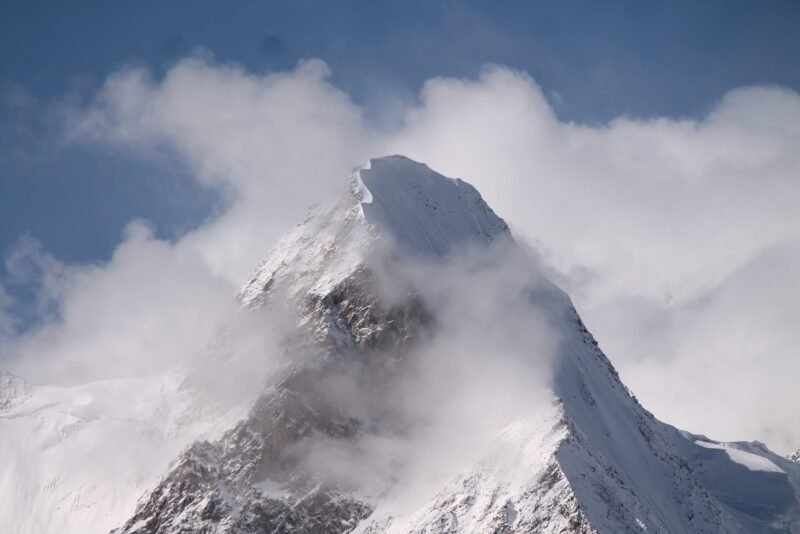 Hard
Gojal & Khunjerab · Trek
Patundas
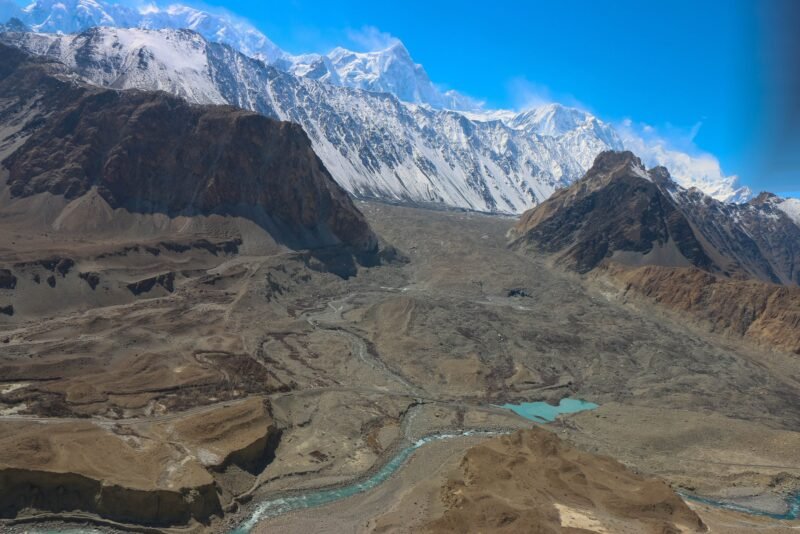 Moderate
Gojal & Khunjerab · Trek
Passu and the Batura glacier
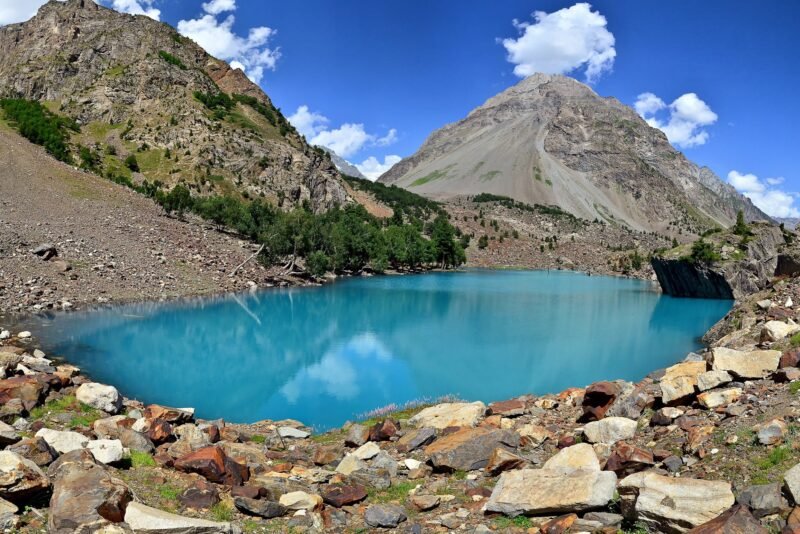 Moderate
Naltar · Trek
Naltar lakes and passes
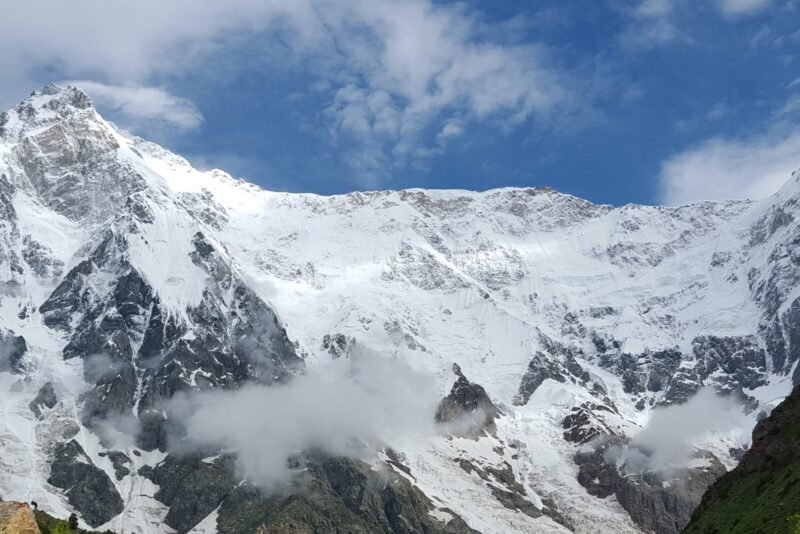 Moderate
Rupal · Trek